
7 Biggest Hair Color Trends for 2026 (And How to Try Them)
The biggest hair color trends of 2026 are warm, dimensional, and low-maintenance. According to colorists featured in Who What Wear and Refinery29, the industry is shifting away from flat, single-process color toward rich, multi-tonal shades that grow out naturally. Espresso brunette, teddy bear blonde, cowboy copper, and color melting are leading the charge — with search interest in "hair color trends 2026" surging across Google and AI search platforms alike.
Want to preview any of these shades on your own hair? Try them instantly with Naee — AI Hairstyle Try-On.
1. Espresso Brunette
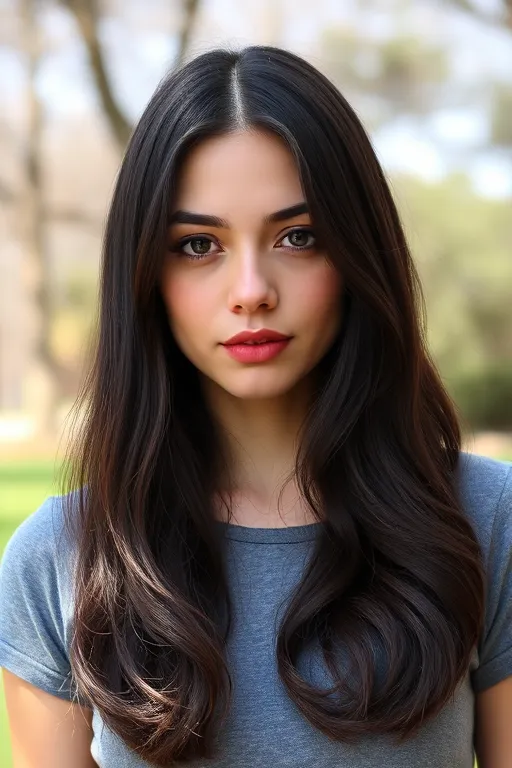
Espresso brunette is the most in-demand shade of 2026. This ultra-rich, glossy dark brown has a slight warm undertone that prevents it from looking flat or ashy. According to Wella Professionals, espresso is the go-to for clients who want a sophisticated, expensive-looking brunette without the upkeep of highlights.
What makes espresso different from standard dark brown is its depth and dimension. The shade incorporates subtle tonal variation — think deep chocolate with hints of warm chestnut — that catches the light and creates movement. Celebrity colorists note that this shade flatters virtually every skin tone, from fair to deep, because the warm base creates a universally flattering contrast.
Color tip: Ask your colorist for a "lush truffle" gloss over espresso for extra depth and a mirror-like shine that lasts 4–6 weeks between appointments.
2. Teddy Bear Blonde
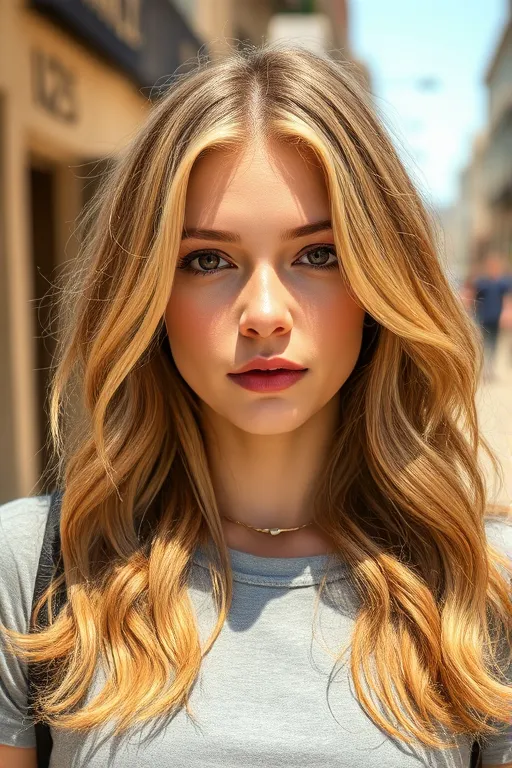
Teddy bear blonde is the coziest shade of 2026. This warm, golden blonde mixes caramel, chocolate, toffee, and honey tones into a multi-dimensional finish that looks like sunlight on wheat. Marie Claire calls it the "anti-platinum" — a high-impact blonde that feels warm and approachable rather than cool and high-maintenance.
The appeal is practicality as much as aesthetics. Teddy bear blonde uses a balayage or babylights technique that blends into natural roots, meaning grow-out looks intentional rather than neglected. Colorists report that clients can stretch appointments to 12–16 weeks compared to 6–8 weeks for traditional highlights.
Color tip: Request a shadow root — slightly deeper at the base, brighter through the mids and ends — for the most natural-looking grow-out pattern.
3. Cowboy Copper
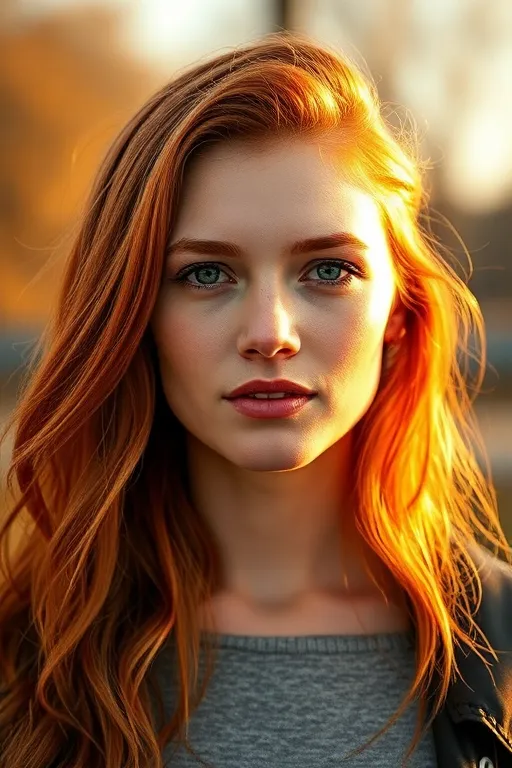
Copper is not going anywhere in 2026 — it's just getting warmer. Cowboy copper is the evolution of the red-hair trend, featuring burnt sienna, warm amber, and muted cinnamon tones that evoke sun-baked desert landscapes. The Zoe Report notes that this shade has crossed over from editorial runway to mainstream salon requests.
What sets cowboy copper apart from the bright, fiery coppers of previous years is its restraint. The tone is earthier and more muted — closer to terracotta than neon orange. This makes it significantly more wearable for everyday life and more forgiving as it fades. Natural brunettes find this shade particularly easy to achieve because the warm copper blends naturally into brown roots.
Color tip: Use a color-depositing conditioner once a week to maintain vibrancy. Copper fades faster than most shades, so maintenance between salon visits is essential.
4. Color Melting
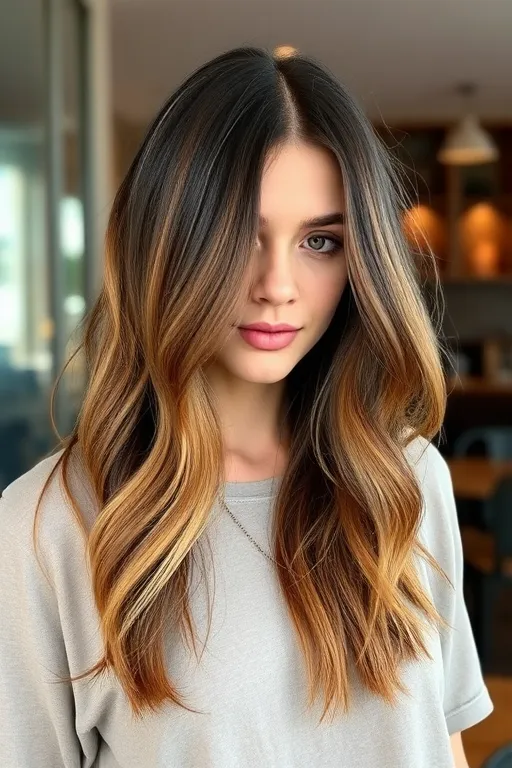
Color melting is the defining technique of 2026. Rather than a specific shade, it's a method of applying color so that two or three tones flow into each other with no visible demarcation lines — creating a liquid, seamless gradient. Wella Professionals describes it as "the most requested technique in salons right now."
The technique works with virtually any color palette. Dark espresso melting into caramel. Copper blending into strawberry blonde. Ash brown fading into champagne. The key is that transitions look natural and effortless, as if the color developed organically from sun exposure and lifestyle rather than a salon chair.
Color tip: Color melting requires an experienced colorist. When booking, ask specifically for this technique and bring reference photos — the results depend heavily on precise placement and toner selection.
5. Chai Tea Bronde
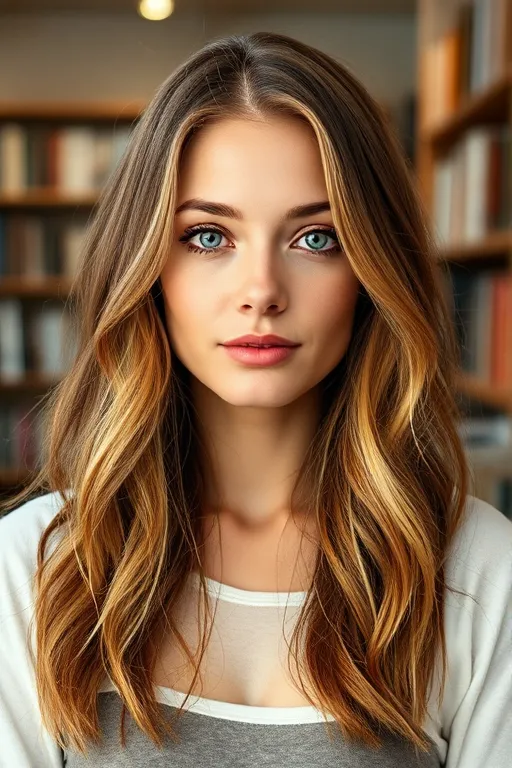
Chai tea bronde is 2026's answer to the ombre trend — but far more refined. This creamy blend of warm brown and soft blonde creates a spiced, tea-toned gradient that sits right between brunette and blonde. According to Bustle, it's "the perfect shade for anyone who can't decide between going lighter or staying dark."
The shade gets its name from the warm, spiced tones of a chai latte — think cinnamon, nutmeg, and cream swirled together. Unlike harsh ombre, the transition from darker roots to lighter ends is gradual and soft, with no stark line where one color stops and another begins. It's particularly flattering on medium skin tones where it creates a natural-looking warmth.
Color tip: Pair chai tea bronde with face-framing highlights a half shade lighter than the lightest blonde in the blend — this brightens the complexion and draws attention to the eyes.
6. Pink Gloss
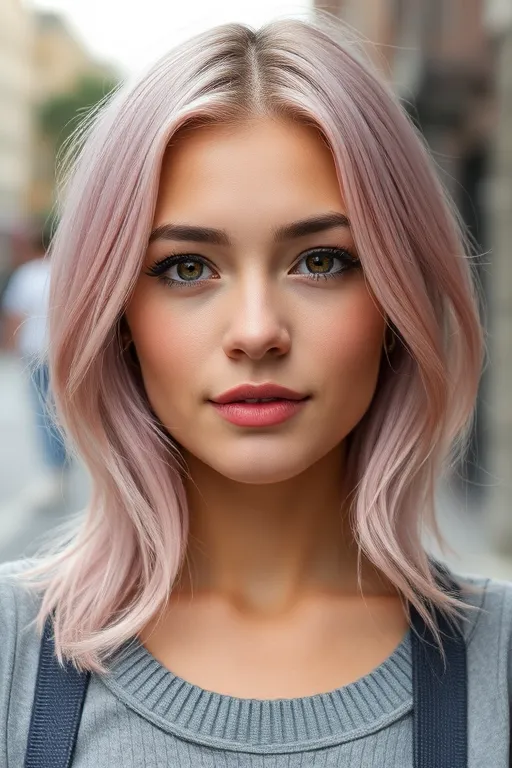
Pink hair is back — but the 2026 version is polished, glossy, and deliberately sophisticated. Stylist magazine reports that the new wave of pink ranges from sheer blush tones to metallic rose and bubblegum, all with a light-reflective, glass-like finish that separates it from the matte pastels of previous years.
The shift is in the technique. Rather than all-over pastel saturation, 2026's pink is applied as a gloss or toner over pre-lightened blonde, creating translucent, dimensional color that shifts in different lighting. This means it washes out gracefully rather than turning muddy — a common complaint with older pink formulations.
Color tip: Pink gloss requires a blonde base (level 9 or lighter) for the truest color payoff. If you're starting from dark hair, this is a multi-session commitment — don't try to rush it.
7. Chocolate Cherry Brown
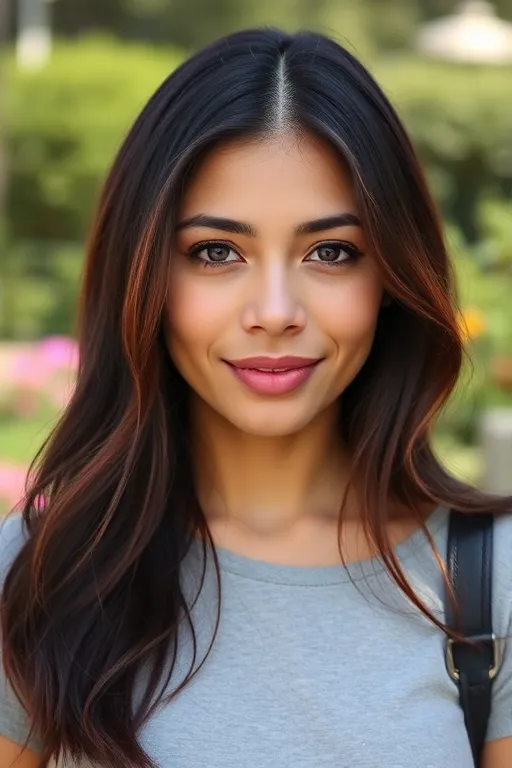
Chocolate cherry brown has seen a 53% increase in search interest year-over-year, according to Rising Trends data. This rich, warm brown with subtle red undertones hits the sweet spot between dramatic and wearable — it's bold enough to feel like a change, but natural enough for the office.
The shade works by layering deep chocolate brown with berry and burgundy tones through the midshaft and ends. In direct sunlight, the cherry undertone catches the light and creates a warm, almost wine-like glow. In indoor lighting, it reads as a rich, expensive brunette. This dual-tone quality is why colorists call it the "day-to-night" shade.
Color tip: Maintain the cherry tone with a burgundy-tinted shampoo once a week. Red pigments are the first to fade, so without maintenance, chocolate cherry will gradually shift to a neutral brown.
How to Try These Hair Colors Before You Commit
Not sure which shade suits you? Naee is an AI-powered hairstyle and hair color try-on app that lets you preview any of these colors on your own photo — in seconds. Upload a selfie, choose a color, and see a realistic AI-generated preview before you book a salon appointment.
Naee lets you compare multiple shades side by side, so you can see whether teddy bear blonde or chai tea bronde works better with your skin tone and features — no commitment required.
Download Naee free on the App Store →
FAQ
What is the most popular hair color for 2026?
Espresso brunette is the single most requested shade in salons for 2026, according to colorists surveyed by Wella Professionals and Who What Wear. Rich, warm brunettes with subtle tonal dimension have overtaken cooler ash tones. Beyond brunette, teddy bear blonde and cowboy copper round out the top three most popular colors of the year.
What hair color is best for my skin tone?
Warm skin tones (golden, olive, or peachy undertones) pair well with teddy bear blonde, cowboy copper, and chai tea bronde. Cool skin tones (pink or blue undertones) look best with espresso brunette, chocolate cherry, or pink gloss shades. Neutral skin tones have the widest range and can pull off virtually any color on this list. When in doubt, use an AI try-on tool like Naee to preview shades on your own photo.
Can I try hair colors virtually before dyeing?
Yes. AI-powered apps like Naee let you upload a selfie and preview realistic hair color changes instantly. This technology uses generative AI to show how a specific shade looks on your actual hair texture, face shape, and skin tone — far more accurate than holding up a swatch or trying on a wig.
What is color melting?
Color melting is a hair coloring technique where two or three shades are blended seamlessly into each other with no visible lines or demarcation points. The result is a liquid, gradient effect that looks natural and organic. It's the most requested technique in salons for 2026 and works with any color palette — from brunette-to-caramel to copper-to-strawberry blonde.