
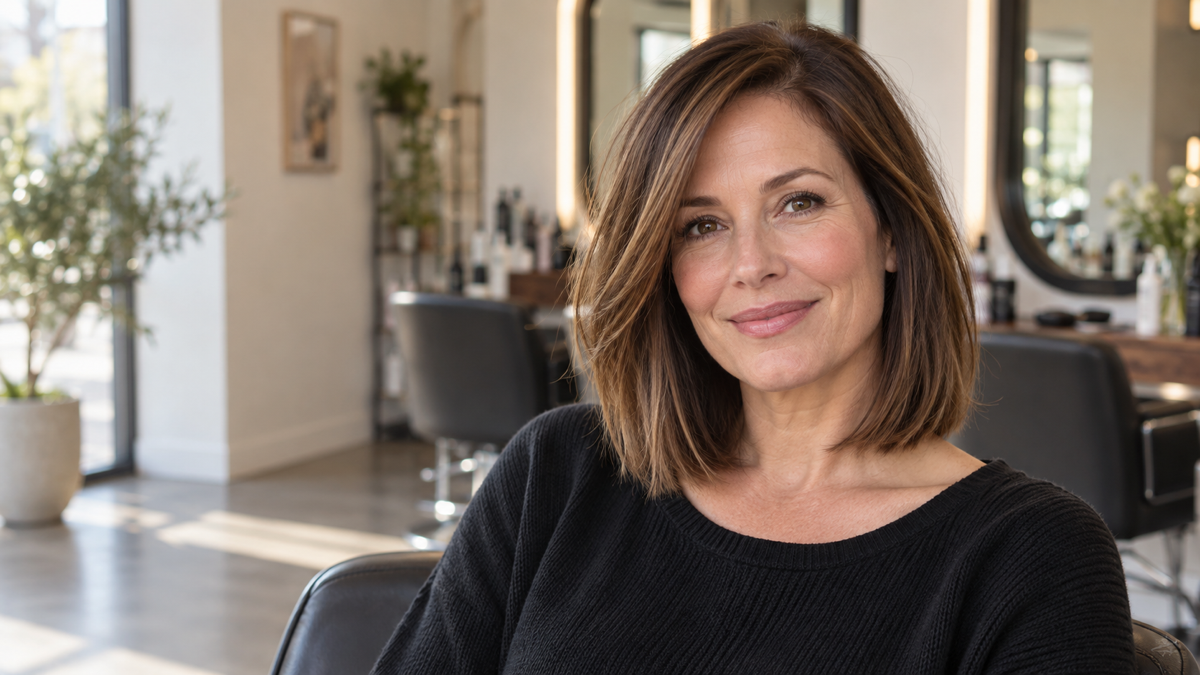
Haircuts for Thinning Hair Women: 12 Styles That Look Fuller
The most useful haircuts for thinning hair create a clear shape without removing more density than necessary. Blunt ends, a considered length, soft movement, and a part that works with your natural growth pattern can make hair look fuller while keeping the routine manageable.
The right choice depends on where your hair feels thinner, whether your strands are fine or coarse, your natural texture, and how much styling you want to do. Use these ideas as a shortlist for your stylist, not as rules. A cut can change the way hair looks, but it cannot treat the cause of hair loss.
If you want to compare several lengths before your appointment, an AI hairstyle try-on can help you narrow the list without committing to the first idea.
Table of Contents
- Fine hair and thinning hair are not the same
- What makes a haircut look fuller?
- 12 haircuts for thinning hair
- How to choose by where your hair is thinning
- What to ask your stylist
- When thinning hair needs medical advice
- How to preview a haircut with Naee
- FAQ
Fine hair and thinning hair are not the same
The terms often appear together, but they describe different things.
- Fine hair refers to the diameter of each strand. You can have fine strands and plenty of hair overall.
- Thinning hair means there is less hair than before or more scalp is visible in a particular area.
- Low-density hair means fewer strands grow within a given area, whether or not that density has changed over time.
This difference matters when choosing a cut. Fine but dense hair may support more layering. Hair that is losing density can look stronger with a cleaner perimeter and fewer short layers. Curly and coily hair need a shape designed for their shrinkage and curl pattern rather than advice written only for straight hair.
What makes a haircut look fuller?
A flattering cut does not need to hide your hair. It needs to use the density you have deliberately.
Look for these features:
- A strong perimeter. Blunt or softly graduated ends keep the outline from looking sparse.
- Controlled layering. A few long or face-framing layers can add movement. Too many short layers may leave the ends looking thin.
- A useful length. Removing damaged or wispy ends can make the remaining shape look more substantial.
- Natural lift. A part that follows or gently redirects your growth pattern can create height without aggressive teasing.
- Texture-aware shaping. Waves, curls, and coils need enough internal room to move without losing the weight that supports the overall silhouette.
The cut and the styling plan should work together. Ask how the shape will look air-dried, how often it needs trimming, and whether it depends on daily heat styling.
12 haircuts for thinning hair
1. Blunt bob
A blunt bob creates one clear line around the jaw or just below it. Keeping most of the ends at a similar length can make the perimeter look denser than a heavily layered cut.
This is a strong option for straight or slightly wavy hair, especially when the ends have become wispy. Ask your stylist whether a truly blunt line or a very subtle graduation will sit better with your texture.
2. Textured bob with a solid baseline
You can add movement without sacrificing the outline. A textured bob keeps the baseline visually strong while using light, selective texture through the interior.
The key word is selective. Ask for enough movement to prevent the cut from looking rigid, but avoid removing so much weight that the ends separate into thin pieces.
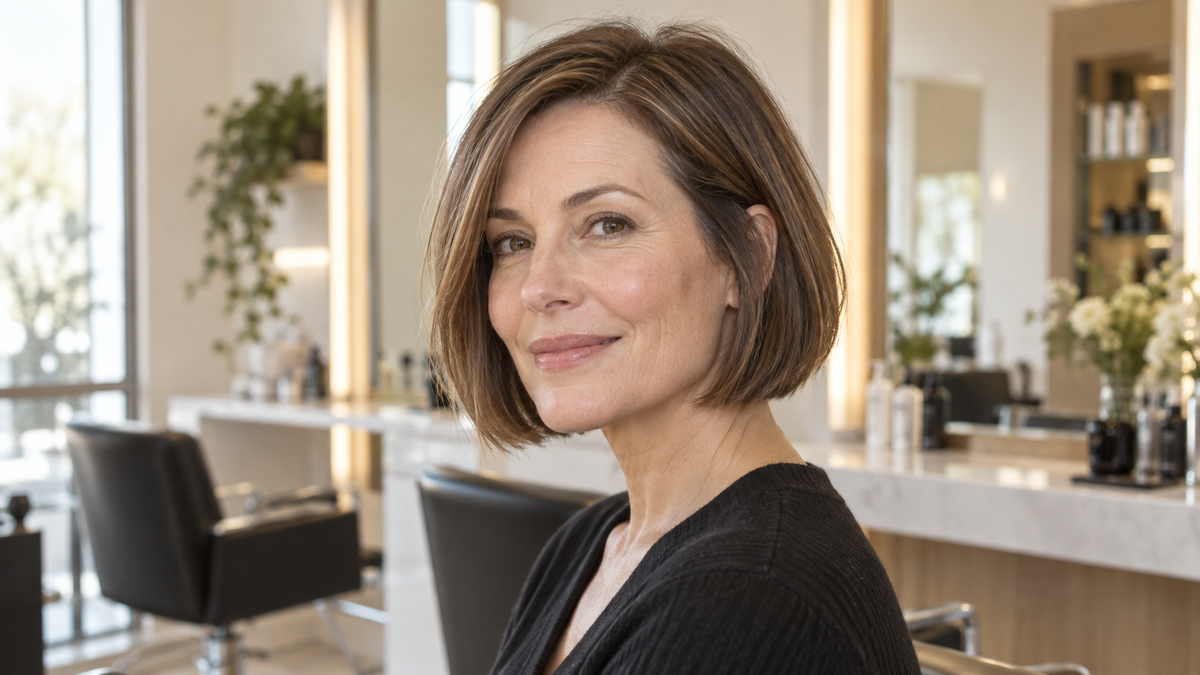
3. Collarbone-length lob
A lob that ends near the collarbone offers more styling flexibility than a short bob while still removing thin, worn ends. It can be worn straight, softly waved, or tucked behind one ear.
This length is also useful if you want to compare shorter options without moving directly to a chin-length cut. A mostly one-length lob with minimal face framing is often the simplest starting point.
4. Shoulder-length cut with soft ends
If you prefer medium-length hair, a shoulder-length cut can keep enough weight to feel substantial. Softening only the final edge prevents it from looking too severe while preserving density.
Ask your stylist to show you how much hair would be removed before adding layers. The goal is a clean silhouette, not maximum movement at the expense of the ends.
5. Soft pixie
A soft pixie makes short hair feel intentional and can reduce the contrast between fuller lengths and thinner areas. Slightly longer pieces on top give you room to change the direction of the style.
This cut works best with a realistic styling plan. Ask where the natural cowlicks sit, how the fringe will behave, and what the cut looks like without product.
6. Bixie
The bixie sits between a bob and a pixie. It usually keeps more length around the top and sides than a traditional pixie, with a shorter, lighter nape.
It can add shape without requiring the commitment of a very short cut. Keep the outline connected and avoid excessive razor work if your ends already look sparse.
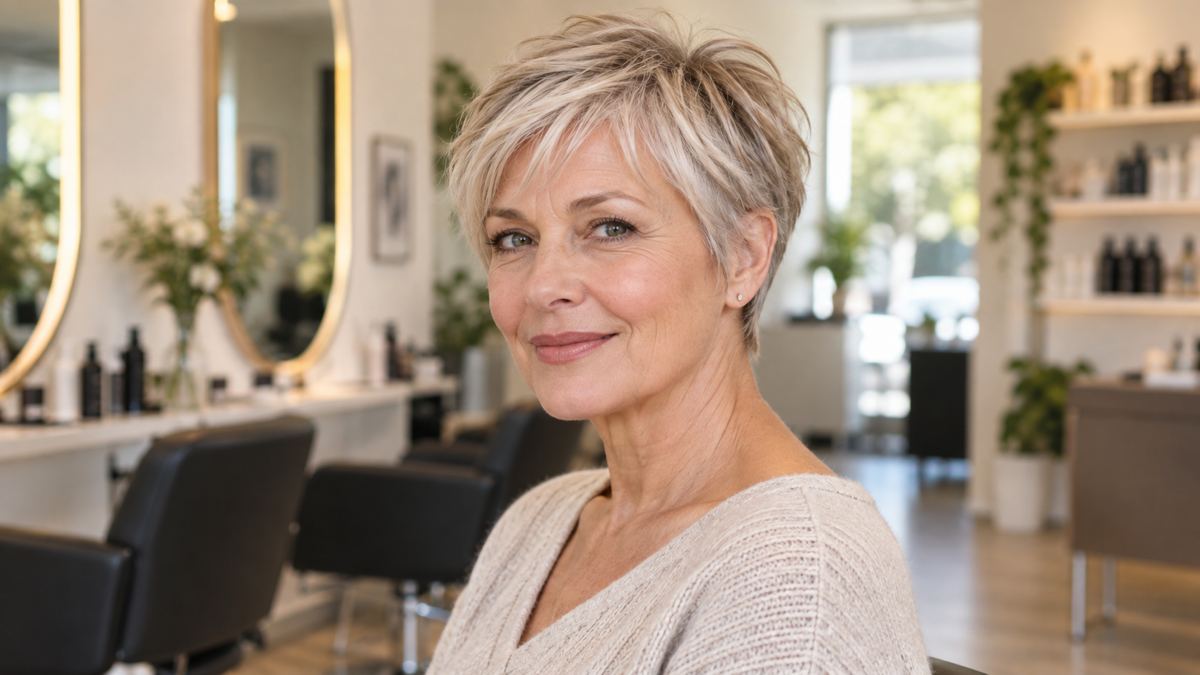
7. Side-parted chin-length bob
Changing the part can alter where volume sits. A chin-length bob with a soft side part may create lift near the front and let one side sweep across a wider part line.
Do not force a deep part that fights your growth pattern or requires heavy heat every morning. Try a few part positions at home and show your stylist the one that settles naturally.
8. Bob with side-swept fringe
A light side-swept fringe can soften the front of a bob without using the amount of hair required for a heavy full fringe. It also gives the front section a deliberate direction.
This can be useful when you want movement near the hairline, but the fringe should not be cut too far back into the crown. Ask how much density the fringe would borrow from the rest of the cut.
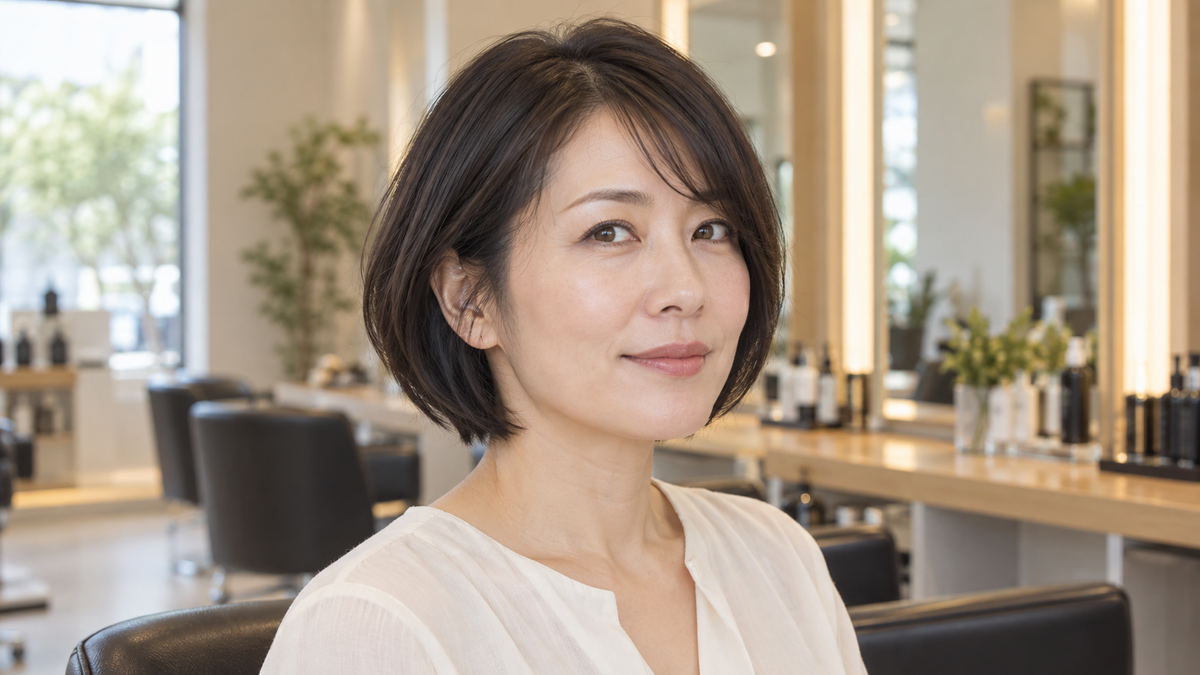
9. Long cut with minimal face framing
Long hair does not automatically need to be cut short. If the perimeter still looks healthy, keep the length and add only enough face framing to open the shape.
Long layers should begin low enough to preserve weight through the ends. If the bottom few inches look see-through, a shorter baseline may have more visual impact than adding extra layers.
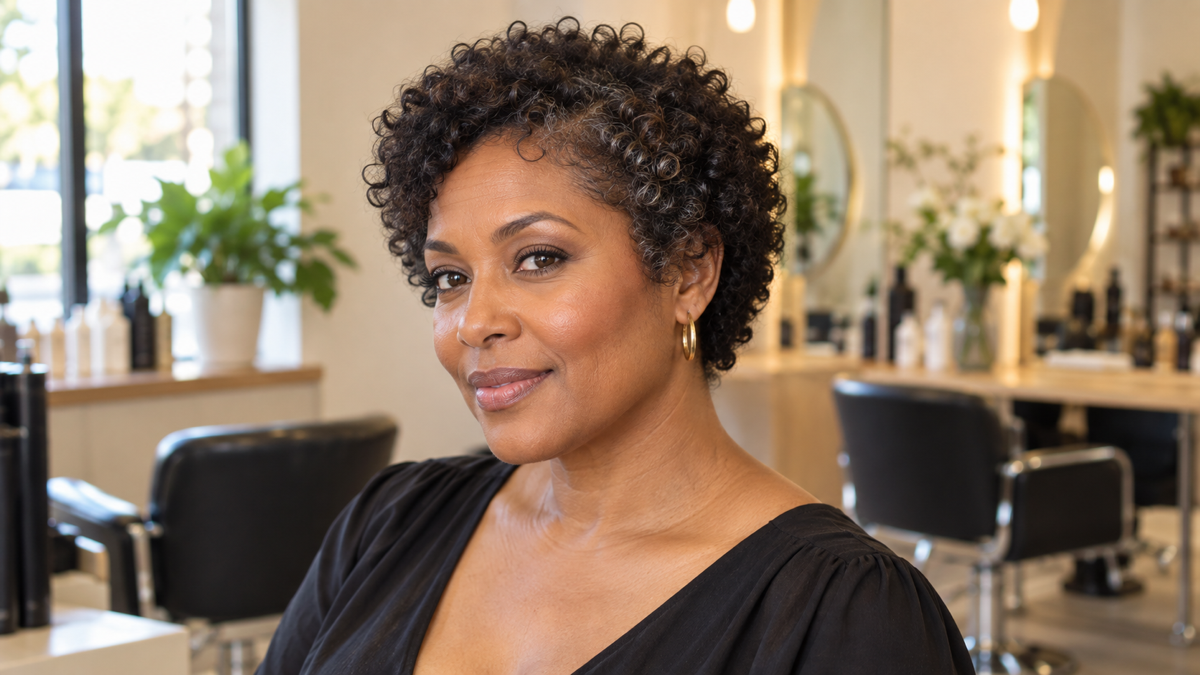
10. Rounded curly crop
A rounded crop can give curls a cohesive silhouette and remove ends that no longer support the shape. The result should follow your curl pattern rather than flatten it into a generic short cut.
Ask for a curl-by-curl or texture-aware consultation, and discuss shrinkage before choosing the finished length. The strongest shape may come from balanced volume around the sides instead of height only at the crown.
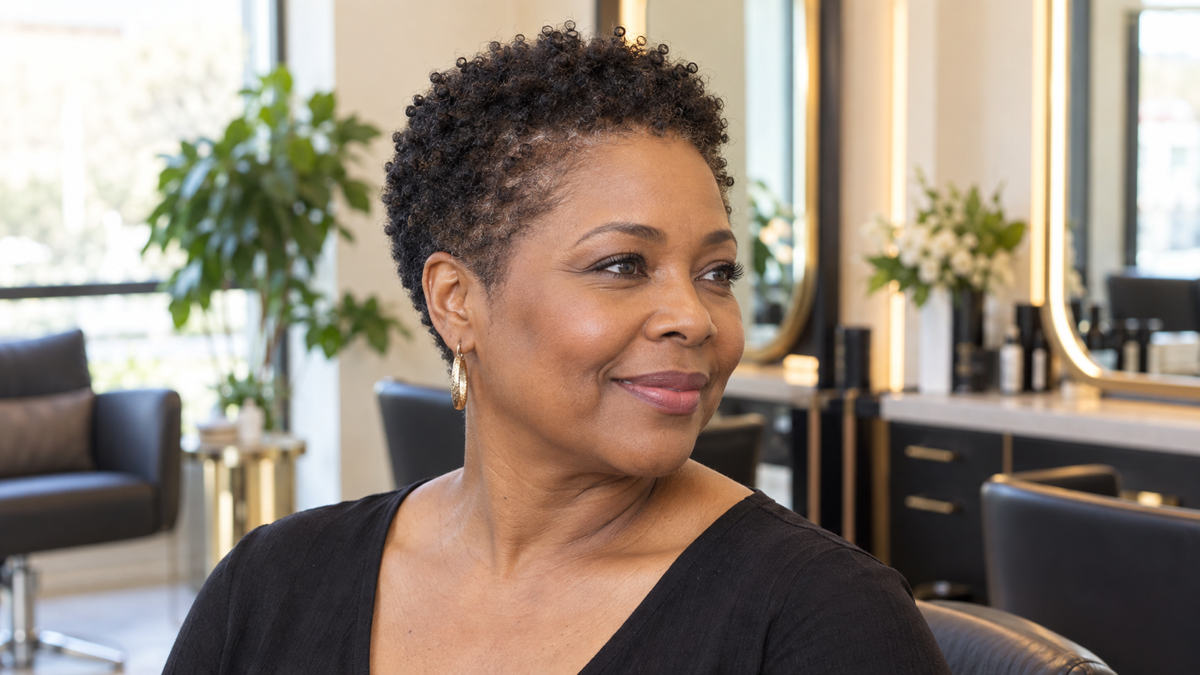
11. Tapered cut for coils
A tapered cut keeps more length where you want fullness and gradually shortens the sides or nape. For coily hair, this can create a defined silhouette without relying on tight styling for shape.
Be specific about how much scalp you are comfortable showing and how the cut should look between wash days. Avoid any finish that needs repeated pulling or excessive tension at the hairline.
12. Low-maintenance midi cut
A midi cut falls between the shoulders and upper chest. It suits readers who want to keep some length but need to remove thin ends and simplify styling.
Keep the baseline relatively full and add only a small amount of long layering if your texture needs movement. It should still look intentional when worn in your normal texture, not only after a salon blowout.
How to choose by where your hair is thinning
The location of visible thinning can change which details matter most.
A wider center part
Try a slightly off-center or soft side part before changing the entire cut. A bob, lob, or midi cut with gentle root lift can redirect the eye without requiring a complicated style.
Thinner hair at the crown
A shorter or medium-length shape can reduce the weight pulling the hair flat. Keep layering controlled, because very short crown layers can separate and expose more scalp if they are not suited to your growth pattern.
Thinning near the temples or hairline
Soft face-framing pieces or a light side-swept fringe may create a gentler outline. Avoid asking for a thick fringe if it would take too much hair from behind the hairline.
Sparse-looking ends
Prioritize the perimeter. Moving from long, wispy ends to a lob, bob, or shoulder-length cut often creates a clearer shape even without adding layers.
What to ask your stylist
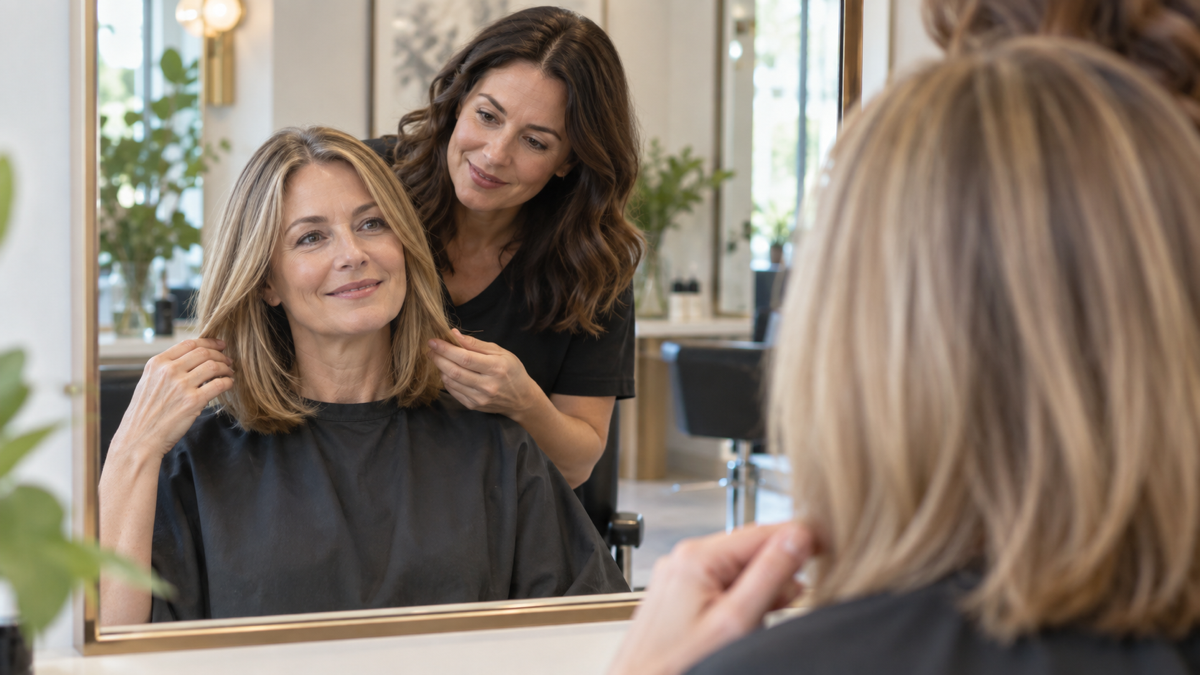
Bring a short, practical brief to the appointment:
- “I want the ends to look as full as possible.”
- “Please show me where the baseline will fall before adding layers.”
- “How will this cut work with my natural texture and part?”
- “Can I wear it without daily heat styling?”
- “Would a fringe take too much density from the front?”
- “How often will the shape need trimming?”
- “Which version works with the thinner area I am most concerned about?”
Photos help, but explain what you like in each one. You may want the length from one reference, the fringe from another, and the low-maintenance finish from a third.
When thinning hair needs medical advice
A haircut can change the silhouette of your hair, not the reason it is thinning. Hair loss can have many causes, and early assessment may matter.
The American Academy of Dermatology advises that repeated tension from tight ponytails, braids, cornrows, weaves, extensions, and tightly pulled updos can contribute to traction alopecia. If a style causes pain, stinging, crusting, broken hairs, or progressive thinning around the hairline, loosen it and seek professional advice. Read the AAD guidance on hairstyles that pull and hair loss.
Consider speaking with a board-certified dermatologist if you notice sudden shedding, a rapidly widening part, distinct bald patches, scalp pain or itching, or continuing hair loss. A stylist can shape the hair you have, while a dermatologist can assess possible causes and treatment options.
How to preview a haircut with Naee
A preview is useful when you are choosing between noticeably different lengths or silhouettes.
- Use a clear, front-facing photo. Keep the hairline and current length visible.
- Compare one change at a time. Start with a bob, lob, and short cut before testing smaller details.
- Check the outline. Look at the length, part, fringe, and balance around the face rather than expecting the preview to predict individual strands.
- Save two or three options. A short list gives your stylist room to adapt the idea to your real texture and density.
- Ask what is realistic. Use the preview as a conversation starter, not an exact salon instruction.
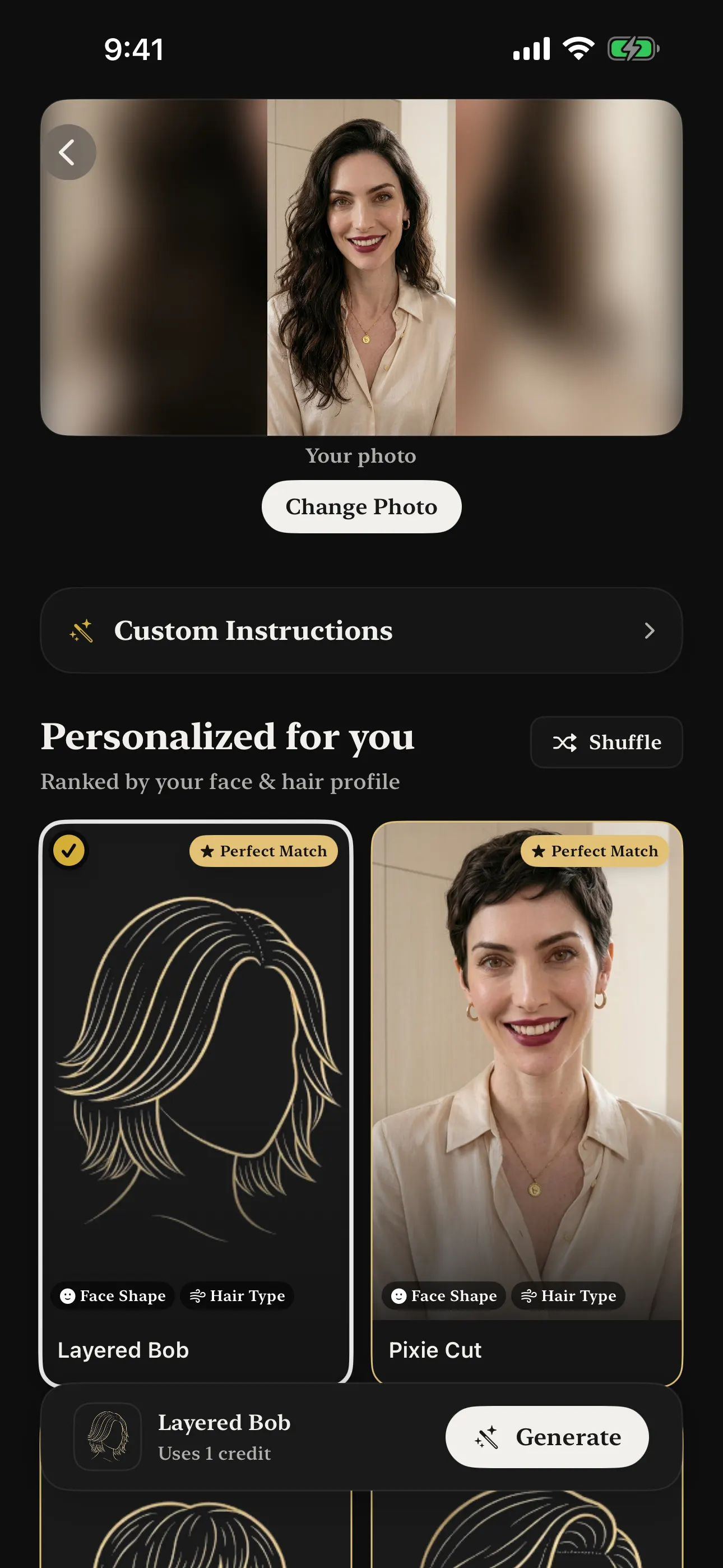
Naee can help you compare hairstyle directions on your own photo before you cut. It does not diagnose hair loss or replace advice from a stylist or dermatologist.
For more help choosing a shape, read the guide to finding a haircut that suits you with AI. If your main concern is facial balance, the round-face hairstyle guide offers more specific examples.
FAQ
What haircut is best for thinning hair in women?
There is no single best cut. Blunt bobs, collarbone-length lobs, soft pixies, and shoulder-length cuts with a strong perimeter are useful starting points because they can preserve visual weight. The best choice depends on your texture, density, growth pattern, and preferred routine.
Does short hair make thinning hair look thicker?
It can. Removing thin ends and reducing weight may give the hair a clearer shape and more lift. Short hair is not automatically fuller, though. The perimeter, layering, part, and styling routine still matter.
Are layers good for thinning hair?
Light, controlled layers can add movement, especially in wavy or curly hair. Too many short layers may remove weight and make the ends look sparse. Ask your stylist to preserve the perimeter and adapt the layering to your density.
Should thinning hair have bangs?
A light side-swept or wispy fringe can soften the hairline, but a heavy fringe may take too much density from the front. Ask your stylist how far back the fringe section would begin and how it will affect the rest of the cut.
What is a low-maintenance haircut for thinning hair?
A blunt bob, collarbone lob, or midi cut with minimal layering can be relatively low maintenance when it works with your natural texture. The best test is whether the cut still looks intentional without a full blowout.
Can a haircut stop hair loss?
No. A haircut can change how the hair looks and may reduce stress from heavy or tightly styled lengths, but it does not treat the cause of hair loss. Speak with a dermatologist if thinning is new, sudden, painful, patchy, or progressing.
Choose the shape before you commit
Start with the change that matters most: a stronger baseline, a shorter length, a softer part, or a more balanced silhouette. Preview a few options, save the ones that suit your face and routine, then ask a stylist to adapt the idea to your natural texture and current density.
Download Naee for iPhone (free download, in-app purchases) →