
Bob vs Lob: How to Choose the Right Length for Your Hair
A bob usually ends somewhere between the jaw and just above the shoulders, while a lob (long bob) ends around the shoulders or collarbone. That few centimeters of difference changes more than it seems: whether the ends flip on your shoulders, whether you can tie your hair back, how often you need a trim, and how your texture and density read. The better choice is the length that suits the way you actually wear your hair, not the one that looked best in a single styled photo.
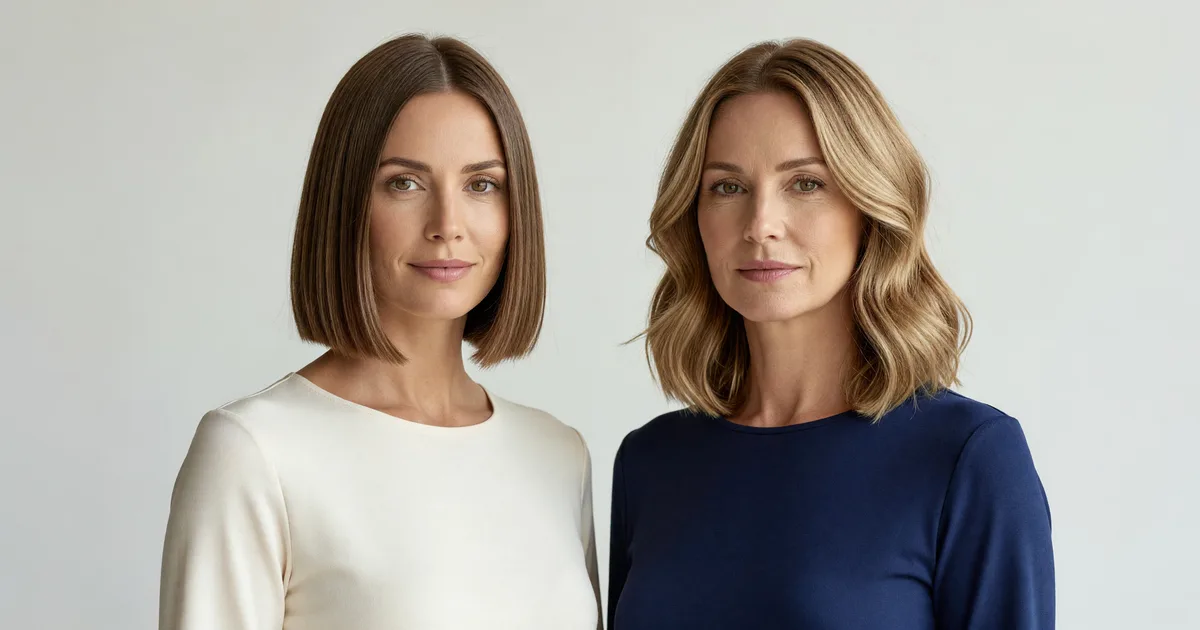
Generated editorial illustration, not Naee output or a real haircut result. The two people are different hypothetical adults, so the image shows two lengths, not a same-person comparison.
Publisher disclosure: This is the Naee blog, and we have a commercial interest in Naee. We have not tested these lengths in the app or run a suitability benchmark. All images below are original generated editorial illustrations of hypothetical adults, not customer results.
Use this guide to narrow the choice to one length and one shape, then talk it through with a stylist who can see your hair in person.
Contents
- Bob vs lob: where each one ends
- Side-by-side comparison
- Bob or lob by face shape
- Bob or lob by texture and density
- Upkeep and daily styling
- Can you still wear a ponytail?
- Growing out each length
- How to decide in five questions
- Write a salon brief
- Preview both lengths on your own photo
- FAQ
Bob vs lob: where each one ends
There is no official measurement, and stylists use the words a little differently. Still, most people mean roughly this:
- Short or classic bob: ends between the jaw and the chin, sometimes a little below. The neck is clearly visible.
- Mid bob: ends between the chin and the top of the shoulders. The hair still hangs freely without touching the shoulders.
- Lob: ends at the shoulders or near the collarbone. The ends can rest on or brush the shoulders.
The gray zone sits right at the shoulders. A "long bob" in one salon is a "short lob" in another. That is why the most useful thing you can bring to an appointment is not the label but a point on your own body: "ending at the bottom of my chin" or "touching my collarbone when my head is level."
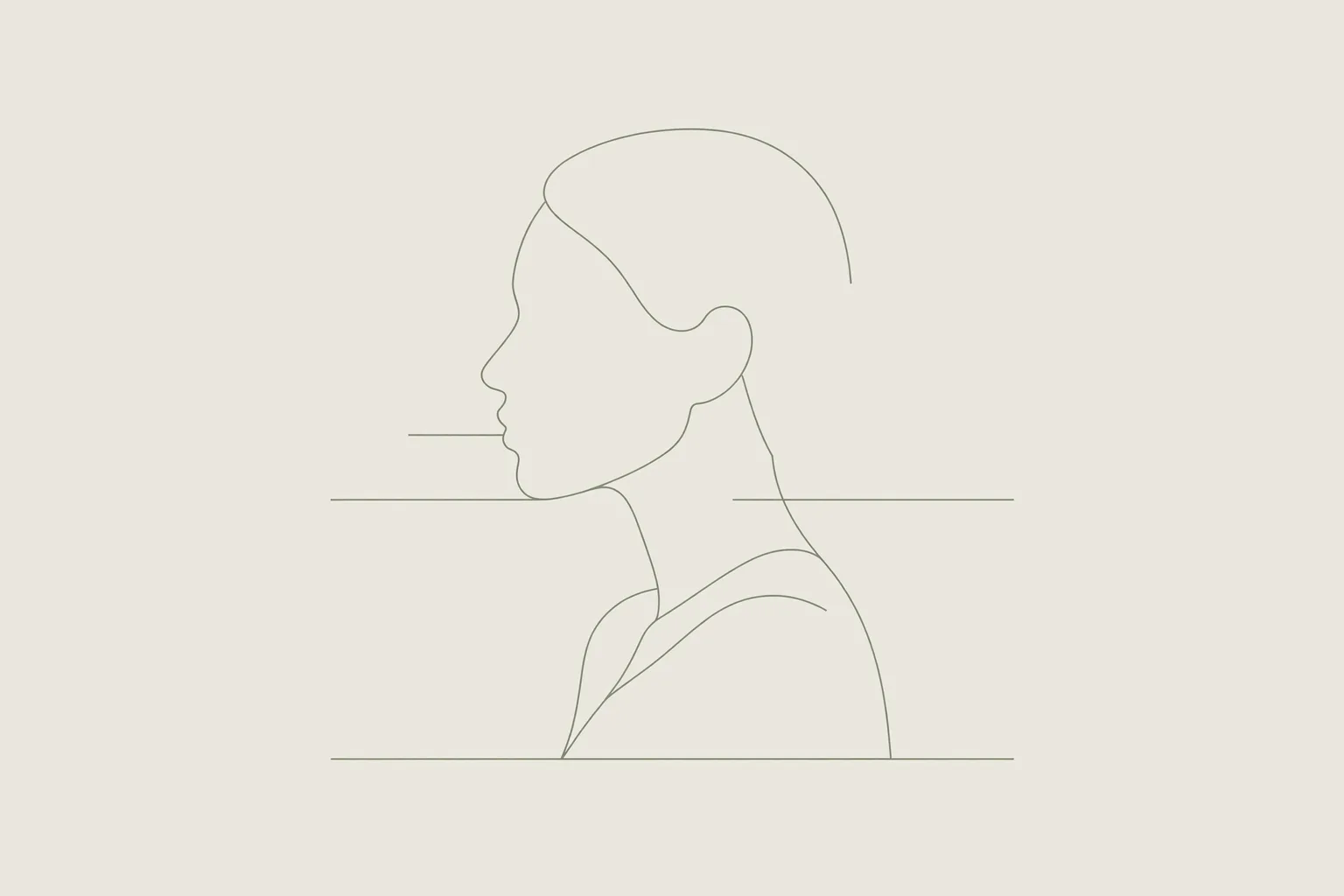
Generated editorial illustration, not Naee output or a cutting diagram. The lines represent approximate jaw, shoulder and collarbone reference points.
Two other details matter as much as the endpoint. First, the perimeter: blunt and heavy, softly textured, or layered. Second, the angle: level all round, or longer at the front than the back. An angled lob and a blunt bob can share almost the same front length and still look like completely different haircuts.
Side-by-side comparison
| Bob | Lob | |
|---|---|---|
| Typical endpoint | Jaw to just above the shoulders | Shoulders to collarbone |
| Overall impression | Defined, graphic, noticeable change | Softer, more flexible, smaller step from long hair |
| Shoulder contact | Usually none, so fewer flipped ends | Ends may flip or bend on the shoulders |
| Ponytail | Often too short, or only a partial tie | Often a short low ponytail or half-up |
| Trim rhythm | Shape shows grow-out sooner | More forgiving between appointments |
| Daily styling | Quick to dry, but the shape is on show | Takes a little longer, more ways to wear it |
| Grow-out | Passes through more awkward stages | Already close to medium length |
| Commitment | Higher | Moderate |
Neither column is better. A bob suits people who want a clear change and enjoy a defined shape. A lob suits people who want a fresher outline without giving up flexibility. If you are still asking whether you want short hair at all, start with should I cut my hair short and come back once you have an answer.
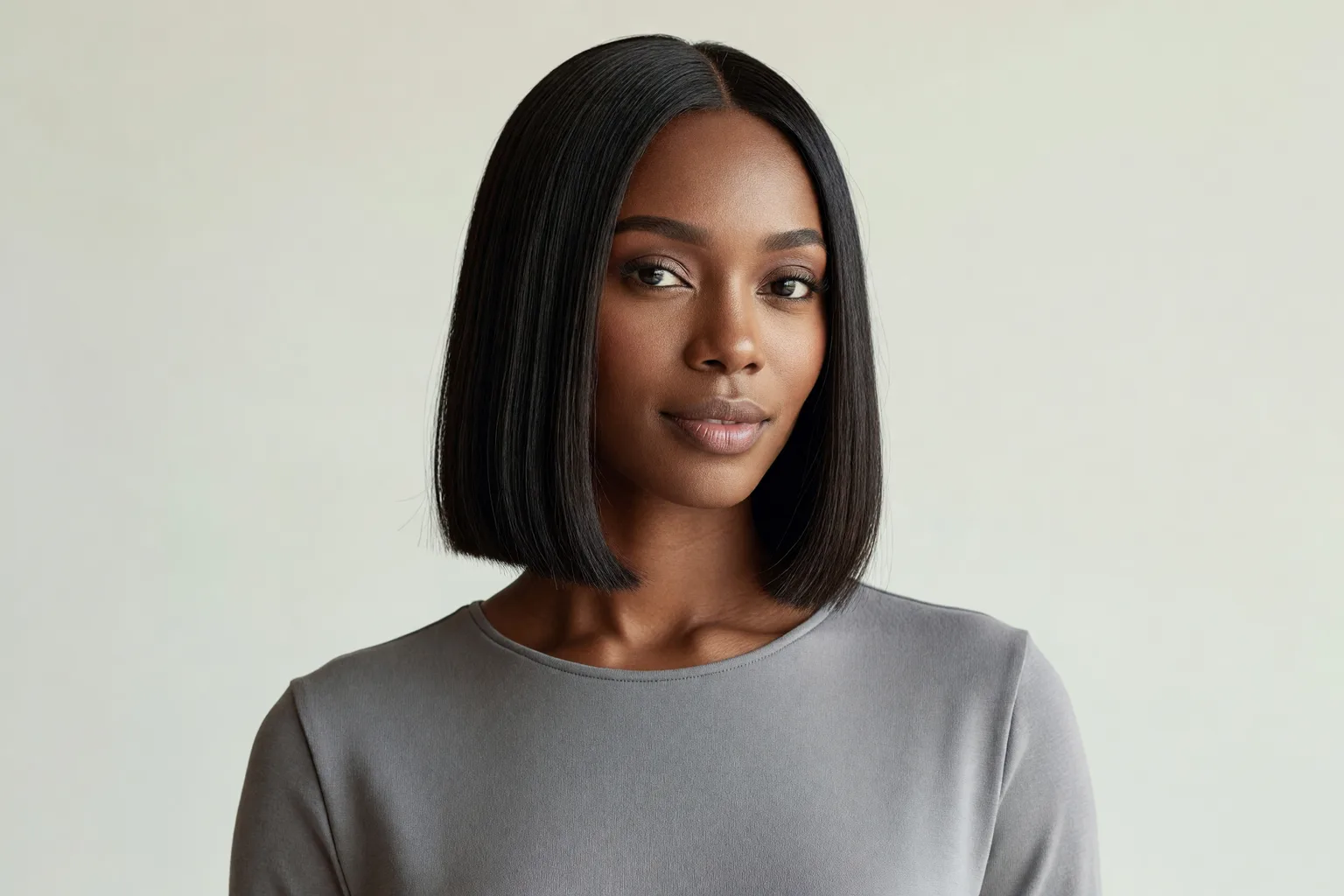
Generated editorial illustration, not Naee output or an actual haircut result. A jaw-length bob puts the perimeter at the center of attention.
Bob or lob by face shape
Face shape is a starting point, not a rulebook. Many people wear lengths that "shouldn't" suit them and look great, because the part, the volume placement and their own features matter just as much. Use these as notes on where the horizontal line of the cut falls.
- Round faces: A bob that ends exactly at the widest part of the cheeks can repeat that width. A lob, or a bob that ends a little below the chin with an angled front, adds a longer line. A side part also helps break up symmetry.
- Oval faces: Both lengths are flexible. The choice usually comes down to texture and routine rather than proportion.
- Square faces: A blunt line right at the jaw emphasizes the jaw corner. Softened ends, a slightly longer bob, or a lob with movement around the jaw usually reads gentler.
- Heart-shaped faces: A chin-length bob adds width near the narrower lower face, which many people like. A lob with volume at the ends works well too.
- Long or oblong faces: A bob at the chin or just below creates width and shortens the visual line. A very straight, flat lob can lengthen the face further, so movement or a curtain-like front helps.
- Diamond faces: Chin-length shapes that fill out the area beside the jaw tend to balance cheekbones.
For a deeper look at each shape, see hairstyles by face shape. And remember the neck: a short bob shows more of it, which some people love and others prefer to avoid.
Bob or lob by texture and density
This section often decides more than face shape. Two people with the same face can need different lengths because their hair behaves differently.
Fine or low-density hair
Fine strands with low density can look fuller in a blunt bob, because all the hair finishes at the same point and the edge reads thick. A long lob with many layers can make the ends look see-through. If your hair is fine, a bob or a short, blunt lob is often worth discussing first. Our guide to bob haircuts for fine hair goes into perimeter weight and length choices in detail.
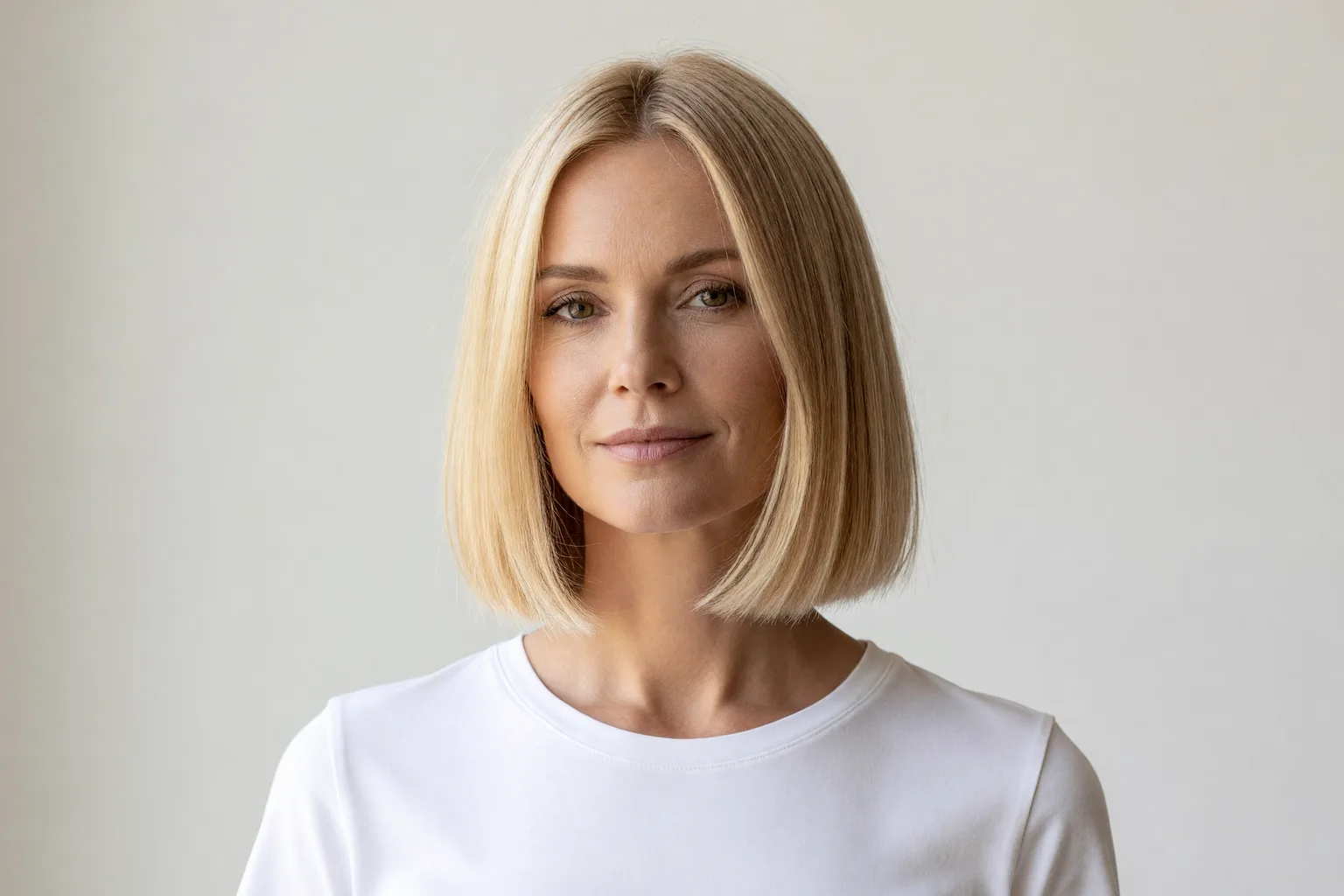
Generated editorial illustration, not Naee output or a measured density assessment. The blunt edge illustrates how a single endpoint can make fine hair look denser.
Thick or high-density hair
Thick hair in a short bob can puff out into a triangle, especially if it has some bend. A lob gives the weight more length to hang, and internal layering or removal of bulk can help either length sit closer to the head. Ask your stylist how they would manage bulk without thinning the ends too much.
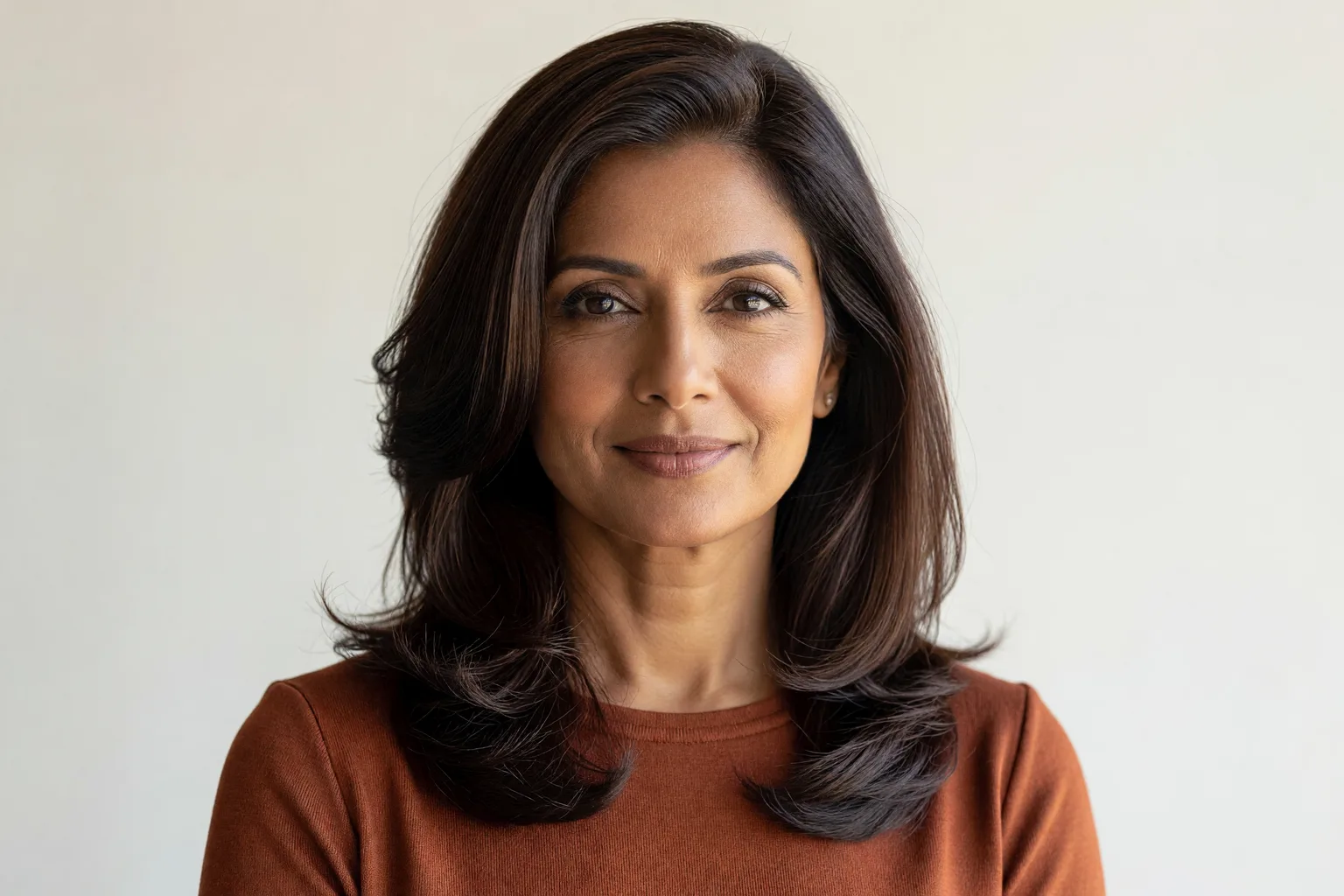
Generated editorial illustration, not Naee output or an actual haircut result. Extra length can give dense hair room to fall.
Wavy hair
Waves usually show off well at lob length, where there is room for a full bend or two. In a short bob, waves can make the perimeter uneven unless the cut is shaped with that in mind. Air-drying is usually easier at lob length. More ideas are in haircuts for wavy hair.
Curly and coily hair
Curls shrink when dry, so the stretched length and the worn length can be very different. A cut that looks like a lob when wet might sit as a bob once dry. Ask for a stylist who cuts curls dry or curl by curl, and agree on the dry endpoint. A curly bob can look fantastic with the right shape; see curly bob haircuts for shape options that avoid the triangle effect.
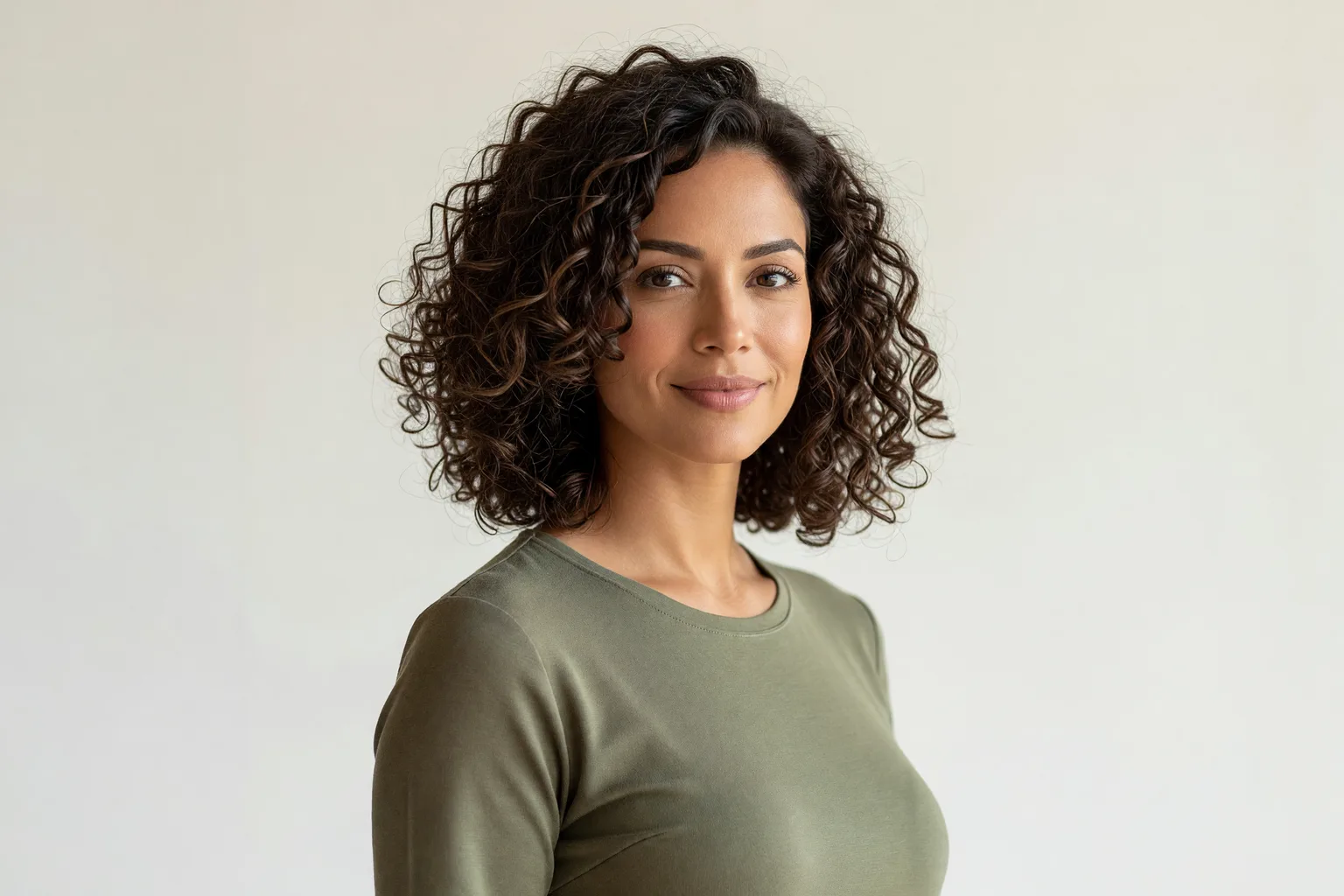
Generated editorial illustration, not Naee output or an actual curl result. Dry curl placement and shrinkage vary on real hair.
Color
Color affects how a cut reads too. Dimensional color or highlights can make a short bob look textured, while a single solid tone emphasizes the shape of the perimeter. If you are planning a color change at the same time, consider how both choices work together.
Upkeep and daily styling
Bob upkeep: Because the shape is so visible, a bob tends to look grown out sooner. Many people book trims more often to keep a crisp line. Drying is quick, but a bob shows bedhead and cowlicks clearly, especially at the nape and crown. If your natural texture fights the shape, you may end up straightening or blow-drying every day.
Lob upkeep: A lob is usually more forgiving between appointments, since a few extra centimeters do not change the impression much. The main daily issue is the shoulder flip: hair resting on the shoulders bends outward. Some people enjoy that, others find it messy. A cut ending clearly above or below the shoulder line can reduce the problem.
Ask yourself honestly how long you want to spend on your hair on a normal weekday. If the answer is "close to nothing," pick the length that looks good air-dried in your natural texture, and ask your stylist to show you what that looks like.
Can you still wear a ponytail?
For many women, this is the deciding question. Gyms, cooking, childcare, hot weather, and some jobs require hair off the face.
- Most bobs: Usually too short for a full ponytail. A jaw-length bob might allow a tiny tie at the nape with many loose pieces, or clips at the sides.
- Lobs: A collarbone-length lob often allows a short low ponytail or a half-up style, with some shorter front pieces escaping. Heavy layering reduces this.

Generated editorial illustration, not Naee output or a tested updo result. Whether a tie holds depends on your real section lengths and layering.
A simple test before your appointment: gather your hair at the height you usually tie it and hold it where the new length would end. If what remains in your hand is too short to wrap a band around, that length will not give you a ponytail. Show this to your stylist so they can protect enough length at the back.
Growing out each length
Think about the exit before you commit. If you might want long hair again within a year or two, the starting point matters.
- From a bob: Hair passes through a stage where it touches the shoulders and flips, then a stage where it is neither short nor long. Regular shaping trims help it grow out evenly rather than in a "mushroom."
- From a lob: You are already near medium length, so growing out mostly means waiting and trimming the ends. It is the smoother path back to long hair.
A lob is also a good test run. If you love it, you can go shorter next time. Going back from a short bob takes much longer. If low maintenance during that middle stage worries you, our guide to low-maintenance medium-length haircuts covers useful in-between shapes.
How to decide in five questions
Answer these honestly. They usually point to one length.
| Question | Leans bob | Leans lob |
|---|---|---|
| Do I want a noticeable change? | Yes, I want a clear new look | I want something fresh but familiar |
| Do I need a ponytail regularly? | No, clips or nothing is fine | Yes, at least a short one |
| How often can I book trims? | Regularly | Every so often |
| Is my hair fine or low density? | Yes, I want fuller-looking ends | No, or I have plenty of thickness |
| Might I want long hair again soon? | Not soon | Possibly |
If your answers split, a mid-length bob that ends between the chin and shoulders, or a short lob that just clears the shoulders, is a reasonable compromise. Ask your stylist which one your hair supports better.
Write a salon brief
A clear brief prevents most disappointments. Include:
- Endpoint on your body: "Front ending at my chin" or "at my collarbone, measured dry."
- Perimeter: blunt, softly textured, or layered.
- Angle: level, or slightly longer at the front.
- Part: where you usually part your hair.
- Ponytail need: yes or no, and where you tie it.
- Routine: air-dry, quick blow-dry, or daily styling.
- Hair facts: your texture, density, and anything you know about cowlicks or curl shrinkage.
- References: two or three photos, including one of something you do not want.
A copyable example: "I'd like a lob ending just at my collarbone when dry, slightly longer at the front, with a soft but full perimeter. I need a short low ponytail for the gym, and I air-dry my waves most days. My hair is fine, so please keep the ends looking dense. Could you tell me if a chin-length bob would work better for my hair?"
Ending with an open question invites your stylist's expertise rather than locking them into a picture.
Preview both lengths on your own photo
The hardest part of choosing between a bob and a lob is imagining both on yourself. Photos of other people show a different face, different hair and a professional blowout. Seeing the two lengths side by side on your own photo can make the decision much more concrete.
That is what Naee is built for. It analyzes your face from a photo, suggests hairstyles, and lets you preview cuts such as a chin-length bob and a collarbone lob, try different hair colors, copy a hairstyle from a reference photo, and ask questions in an AI chat. Generations are designed to follow your hair type, density and color, so the previews stay closer to your own hair than a generic filter. Save the two versions you prefer and show them to your stylist alongside your written brief.
A preview is a visual conversation aid, not a guarantee. It cannot measure your section lengths, curl shrinkage or whether a ponytail will hold.
If that would help, download Naee for iPhone. It is a free download that includes a trial with limited credits; continued generation requires a subscription or credit purchase. This is not unlimited free generation, so check the current in-app terms before buying.
The takeaway: Choose a bob for a defined, noticeable change and fuller-looking ends on fine hair. Choose a lob for flexibility, a ponytail, and an easier grow-out. Then describe the endpoint on your own body, not just the name.
FAQ
What is the difference between a bob and a lob?
Mainly length. A bob usually ends between the jaw and just above the shoulders, while a lob ends at the shoulders or collarbone. The perimeter, angle and layering can vary in both.
Is a lob easier to maintain than a bob?
Often, yes. A lob looks less grown out between trims and usually allows a ponytail. A bob dries faster but tends to need more frequent shaping to keep its line.
Is a bob or lob better for fine hair?
A blunt bob or a short, blunt lob often makes fine hair look fuller, because all the ends finish at one point. Long, heavily layered lobs can make fine ends look thin. A stylist should check your actual density.
Can you wear a ponytail with a lob?
Usually a short low ponytail or half-up style, if the lob reaches about collarbone length and is not heavily layered. Most bobs are too short for a full ponytail.
Which grows out more easily, a bob or a lob?
A lob. It is already close to medium length. A short bob passes through more in-between stages and benefits from regular shaping trims.
Can an AI preview tell me which length will suit me?
It can show how each length might look on your photo, which helps you compare. It cannot confirm curl shrinkage, cowlicks or ponytail feasibility, so confirm those with a stylist in person.